yuntianhua co ltd
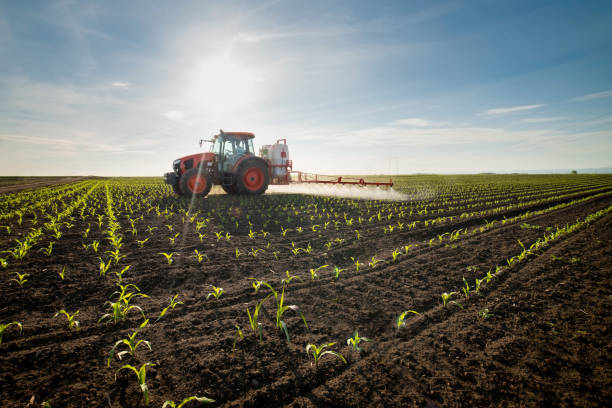
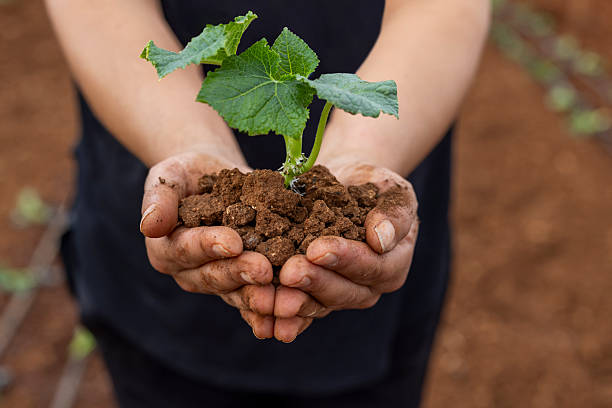
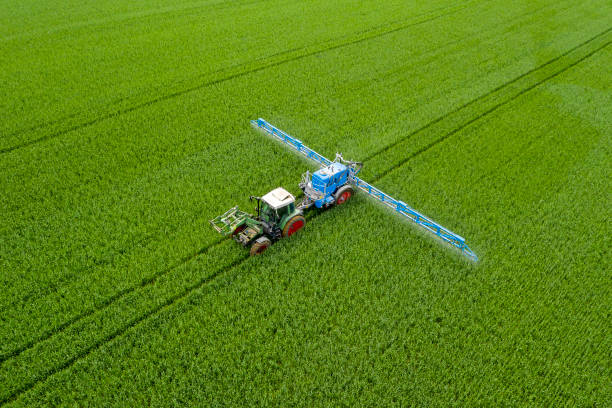
Every spring, trucks rumble out of the Yunnan highlands with loads of fertilizers and chemicals, marked with Yuntianhua’s logo. For decades, farmers from the rice paddies of Sichuan to wheat fields in Henan have leaned on companies like Yuntianhua. They trust the company’s legacy. Since its beginning, Yuntianhua set out to help feed China, riding the country’s push to feed more mouths after the lean years of food scarcity. Its rise wasn’t overnight. It came about because of relentless investment in research, ramping up output, and carving out a spot for itself in the heartland’s daily routine.There’s no point dodging what everyone already knows: cheap, plentiful fertilizer built much of modern agriculture. Yuntianhua emerged with a mission to ensure that the country’s crops would grow stronger and taller with each passing year. From urea to ammonium phosphate, the company led the charge with both traditional nitrogen-based products and more advanced phosphate compounds. When you spend time with farmers—kneeling in red clay, running their hands through seedlings—you see why consistency matters more than flashy branding. Yuntianhua’s reach stretches into places where reliable supply beats everything. It’s food on the table, money for schooling, and less risk of empty shelves come autumn.China’s green mountains and fast-moving rivers remind everyone why balance can’t be ignored. It’s easy to focus on the output—more bushels, fuller silos, thicker livestock—but the run-off seeping into local waters, the air above plant chimneys, the health of families living downwind cannot be brushed aside. In the fertilizer and chemical business, these aren’t abstract dangers. Yuntianhua pushes millions of tons through its plants every year, pumping up crop yields but also exerting intense pressure on natural resources. Air quality along industrial corridors sometimes dips, and water usage stacks up. Stories of damaged waterways and “dead” stretches of river reach local newspapers in southwestern China. They shape how people think about companies behind the supply chain and stir government responses.Yuntianhua has tried to wrestle with these consequences. In recent years, the company rolled out cleaner energy programs and invested in ways to recycle industrial waste. Some plants use natural gas instead of coal. Effluent gets treated and reused. These aren’t goodwill gestures—they’re hard calculations, trying to keep up with both regulations and shifting consumer expectations. Younger generations have begun asking where food comes from and at what cost to their home province. It’s not just talk at universities or in Beijing; it shows up on farming co-ops and rural townhalls.What makes me pay attention to Yuntianhua isn’t the sheer production volume or market value but the tension between tradition and reinvention. Chemical agriculture props up food security, yet it drags heavy, visible costs. Yuntianhua’s survival, and the country’s food supply, depend on creative answers to this puzzle. The industry faces a real test: bring enough product to market, keep it affordable for low-margin farmers, and lessen the harm to soil, water, and future generations. The company pushes into new technology: slow-release fertilizers, advanced soil testing, digital advisory apps for farmers. These steps matter. A farmer who tailors fertilizer use based on local weather or field needs cuts down both expense and leeching into water supplies. Some crop scientists working with Yuntianhua have told me about lab prototypes that lock nutrients in the ground longer and help soils bounce back from years of overwork. None of this magic happens fast. Traditional practices hang on. Poor rural households can’t always afford pricier alternatives made for long-term benefits. The learning curve runs steep.The stakes stretch far beyond Chinese borders. Yuntianhua ships to dozens of countries, riding a volatile global trade system where a tariff set in one capital can ripple into flooded or bare markets half a continent away. Countries in Asia, South America, and Africa turn to China’s fertilizer as global food needs shift. This isn’t just about pricing wars or supply routes; it’s about life-or-death margins in places with thin safety nets. Disruptions from trade disputes, raw material shortages, or export curbs can bring headlines one week and cascade into unexpected food insecurity the next.Supply chains got a real scare during COVID lockdowns, and that shock forced both policymakers and business leaders to rethink how tight they could run their margins. Some customers started seeking new suppliers out of worry that Chinese production would get throttled by export controls or logistics chaos. Yuntianhua responded by lining up more logistics partners, building up stockpiles, and lobbying for a steadier seat at the global trading table. In the background lurked questions about how chemical companies could be less vulnerable—both to politics and to climate blowback.Solving problems from land degradation to local pollution takes more than recycling slogans or short-term technical fixes. Some who work in Yuntianhua’s labs feel caught in the middle, pushed by both profit targets and their families’ hopes for cleaner water and air. Others in the field want to tweak policy—encouraging incentives for reduced fertilizer use, better crop rotation, cleaner tech adoption. Consumers’ role shouldn’t be overlooked either. A wave of interest in organic, low-impact farming nudges the big suppliers to keep evolving or risk losing the next generation of rural support.Yuntianhua stands as a real-world example of a sprawling industry struggling to take responsibility for both its legacy and its future. Education, research funding, public oversight, and government policies all play a part. Innovation and responsible production have to walk together, not race against each other. No single company will ever solve the tangled mess of food security, climate stress, and local well-being. Yet Yuntianhua’s choices—every dollar funneled into R&D, every village education program, every shift away from dirty energy—cast long shadows. The legacy belongs both to the people who work the fields and to the ones who build the chemicals needed to keep them green.